As summer wraps up and cooler temperatures arrive, many homeowners feel a little relief—less mowing, less watering, and maybe less time worrying about their lawn. Most homeowners don’t realize that fall is actually one of the most important seasons for lawn care. Planning ahead is key. The steps you take now can determine how healthy, green, and resilient your lawn looks next spring.
At ProMow, we help homeowners prepare their lawns for every season. In this guide, we’ll break down the must-do fall lawn care steps, why they matter, and how to set your lawn up for year-round success.
Your grass doesn’t take a break in the fall—it’s actually working harder than you think. Skipping fall lawn care can leave you with thin, fragile grass come spring. Here’s why fall matters:
Many homeowners stop mowing as soon as the weather cools, but grass still grows in fall. The trick is adjusting the cutting height. Here’s a simple guideline on when and how to cut:
Why it matters: Shorter grass going into winter helps prevent snow mold, reduces matting, and allows more sunlight to reach the crown of the grass. Just avoid cutting more than one-third of the blade at once.
Fallen leaves left on your lawn block sunlight, trap moisture, and encourage pests and disease. A thick layer of leaves can even suffocate your lawn.
Tips for leaf removal:
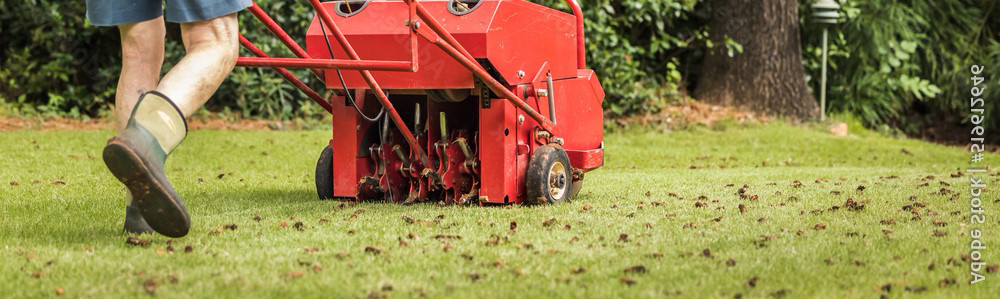
Fall is the prime season for aeration, especially for cool-season grasses. After summer stress and heat on your lawn, soil is often compacted. Aeration relieves compaction and prepares the lawn for overseeding and fertilization.
By creating small holes in the soil, aeration improves root growth and allows nutrients to penetrate deeper. At ProMow, we recommend core aeration over spike aeration for the best results.
Most homeowners don’t realize that fall is the perfect time to thicken your lawn with overseeding. Cool nights and warm days provide the ideal germination environment. Overseeding fills in thin areas, prevents weeds from taking over, and promotes a denser lawn.
Pro tip: Combine overseeding with aeration. The holes created during aeration provide enhanced seed-to-soil contact, improving germination rates.
Fertilizing in the fall is one of the smartest lawn care investments you can make. Unlike spring fertilization, which fuels blade growth, fall fertilization strengthens roots.
Look for a fertilizer rich in nitrogen, which promotes root and blade growth and potassium which helps grass resist cold, disease, and stress. Apply fertilizer in early to mid-fall, then follow with a winterizer formula in late fall. This ensures your grass stores enough energy to survive the winter and green up quickly in spring.
Many weeds are actively growing in fall, making it an effective time to apply a pre-emergent or broadleaf weed control treatment to prevent pesky weeds like dandelions and clover. By tackling weeds now, you reduce competition for nutrients and prevent seed spread in spring.
Keep watering even as temperatures cool. Grass still needs about 1 inch of water per week until the ground freezes. Rainfall often helps, but you may need to supplement with irrigation during any dry spells. Proper watering helps your lawn withstand winter stress caused by dry spells and encourages roots to grow deeper, building a stronger, healthier lawn.
A thin layer of thatch—a mix of dead grass, roots, and organic debris—is normal and even beneficial. But when it exceeds ½ inch, it can block water, nutrients, and air from reaching the soil. If your lawn feels spongy underfoot or struggles to absorb water, dethatching in early fall can help restore its health. For the best results, pair dethatching with aeration.
Apply a winterizer fertilizer in the late October to early November timeframe, before winter fully sets in. Winterizers are high in potassium, which strengthens roots and improves cold resistance
Fall lawn care isn’t just about the grass—it’s also the perfect time to prepare your lawn equipment for wintertime. Here are some things you can do to prepare your equipment for next spring:
At ProMow, we customize our services based on your grass type and local conditions for the best results. The best fall lawn care routine depends on where you live:
While some homeowners attempt fall lawn care on their own, critical tasks like aeration, overseeding, and weed control are often best left to the experts. Our customized fall lawn care programs take the guesswork out of the season, ensuring your lawn stays strong, vibrant, and ready for spring.
With ProMow, you get:
Avoiding these mistakes helps your lawn thrive year-round.
Fall is not the time to neglect your lawn—it’s the season to strengthen it. By tackling the following task, you’ll set your lawn up for a healthier winter and a greener spring.
Here’s a quick checklist:
✅ Keep mowing at the right height
✅ Rake or mulch leaves
✅ Aerate compacted soil
✅ Overseed thin or bare spots
✅ Fertilize for root growth and winterizer in late fall
✅ Control weeds before they spread
✅ Continue watering until the ground freezes
✅ Dethatch if needed
✅ Prep your lawn tools for storage
At ProMow, we make fall lawn care easy and effective. From aeration and overseeding to fertilization and weed control, our team provides customized solutions that give your lawn the strongest foundation for a lush, healthy lawn next spring.
Don’t wait until bare patches or weeds take over—contact ProMow today to schedule your fall lawn care service.