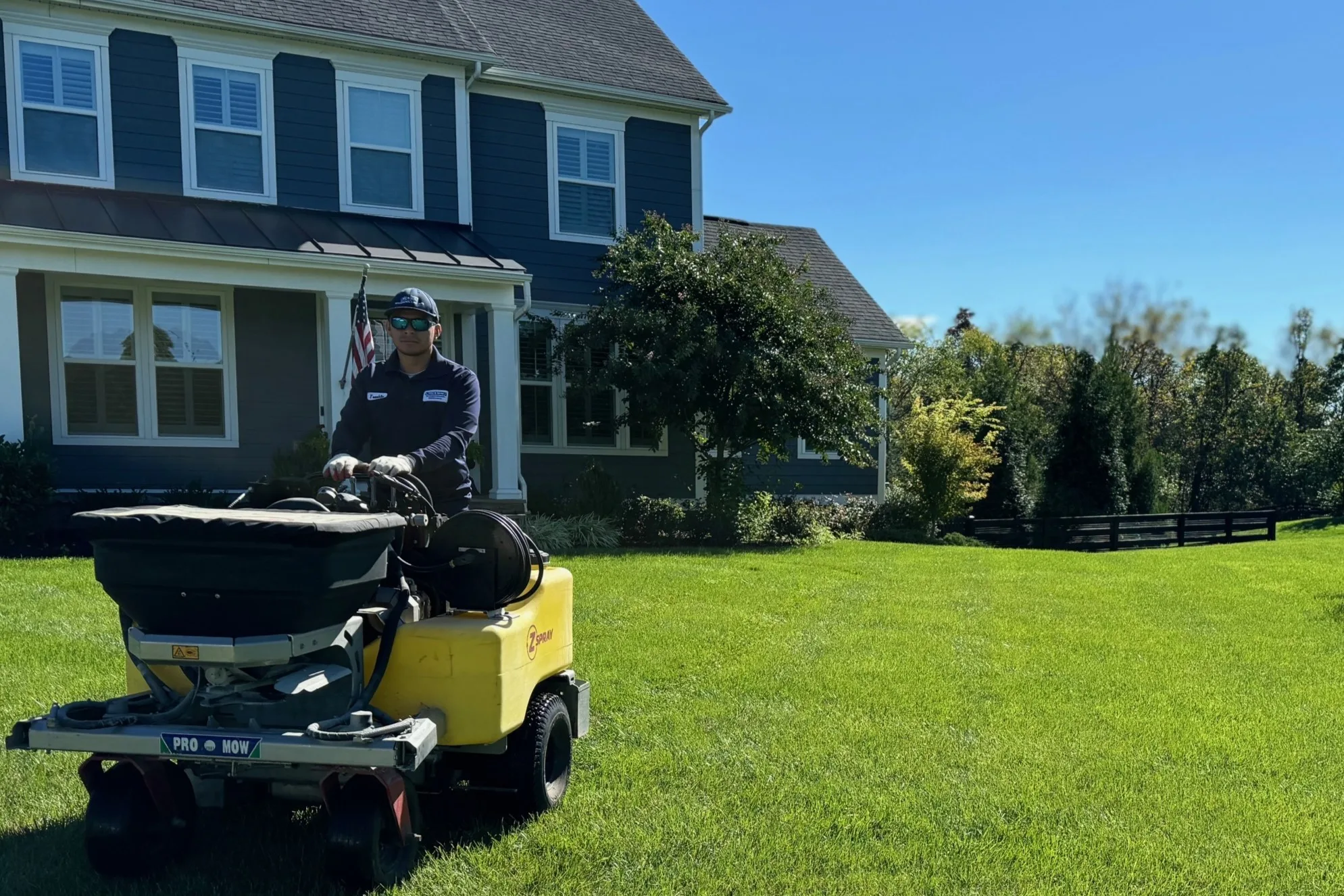
Spring is the season when you set your lawn up for success or spend the rest of the year playing catch-up. After months of cold temperatures, compacted soil, and limited sunlight, your yard needs some TLC, way more than just a quick mow to bounce back. The good news? A thoughtful, early-season approach can make all the difference in getting back on track!
At Pro-Mow Lawn Care, we see firsthand how proper spring preparation leads to healthier grass, stronger roots, and fewer weeds all year long. Whether you plan to handle some tasks yourself or partner with professionals, this step-by-step blueprint will help you prepare your lawn for spring the right way.
Spring is when grass wakes up, weeds begin to germinate, and soil conditions shift quickly. Skipping or delaying spring prep can lead to:
Getting ahead of these issues early gives your lawn a strong foundation—one that’s easier to maintain and more resilient as temperatures rise.
Before your lawn can grow, it needs room to breathe.
Leaves, branches, and leftover debris from winter storms can block sunlight and trap moisture, creating ideal conditions for disease and mold. A thorough spring cleanup allows grass blades to receive proper light and air circulation.
What to do:
This is often the first service ProMow recommends because it immediately improves lawn health and appearance.
Not all winter damage is obvious at first glance. Early spring is the ideal time to evaluate your lawn’s overall health.
Look for:
A professional lawn assessment can identify underlying issues before they become expensive problems. This step helps determine whether your lawn needs fertilization, aeration, overseeding, or targeted weed control.
One of the biggest spring lawn mistakes homeowners make is applying fertilizer too early, or using the wrong type.
Spring fertilization should focus on:
Pre-emergent weed control is especially important in early spring, as it helps stop weeds before they ever break the surface. When paired with professional fertilization, this approach promotes thicker turf that naturally crowds out unwanted growth.
ProMow’s lawn fertilization and weed control programs are designed around local conditions, soil health, and grass type—ensuring nutrients are delivered at the right time.
Spring mowing is about restraint, not speed.
Grass grows quickly as temperatures rise, but cutting too short can stress your lawn and weaken roots. Maintaining the proper mowing height encourages deeper root systems and helps shade out weeds.
Spring mowing tips:
Professional mowing services help maintain consistency during this fast-growth period while protecting long-term lawn health.
Soil compaction is common after winter and can prevent water, nutrients, and oxygen from reaching roots.
Aeration relieves compaction by creating small openings in the soil, while overseeding fills in thin areas and improves turf density.
Benefits include:
Spring aeration and overseeding are especially effective for lawns that experienced heavy winter traffic or struggled the previous season.
Spring lawn prep isn’t just about grass—your landscape beds matter too.
Fresh mulch:
Spring is also a great time to edge beds, prune shrubs, and refresh landscaping before plants enter peak growth. ProMow’s landscaping services help homeowners create clean, polished outdoor spaces that complement a healthy lawn.
Before watering becomes routine, irrigation systems should be checked for winter damage, leaks, and coverage issues.
Early inspection helps:
Even lawns with natural rainfall benefit from irrigation readiness as spring weather becomes unpredictable.
To get the most out of your spring prep, avoid these frequent pitfalls:
A professional plan eliminates guesswork and helps your lawn transition smoothly into peak growing season.
Spring lawn preparation isn’t about doing everything—it’s about doing the right things at the right time. With proper cleanup, fertilization, mowing, and soil care, your lawn can thrive all season long.
At ProMow Lawn Care, we help homeowners take a proactive, professional approach to spring lawn health. Whether you need full-service maintenance or targeted seasonal support, our team is here to help your lawn look its best from the ground up.
Schedule your spring lawn services today and start the season with confidence. Request a Quote today!
Spring lawn prep should begin as soon as the ground thaws and daytime temperatures consistently rise above freezing. In most regions, this is late winter to early spring. Starting early helps prevent weeds, supports healthy root development, and sets your lawn up for strong growth before peak season.
Yes. Early spring weed control—especially pre-emergent treatments—helps stop weeds before they germinate. Once weeds are visible, they’re already competing with your grass for nutrients and water. Preventative treatments are far more effective than reactive ones later in the season.
Spring fertilization is important, but timing and product selection matter. The goal is to support steady growth and strong roots, not force rapid top growth. Professional lawn care programs use region-specific fertilization schedules that align with soil conditions and grass type.
Both seasons can be effective, depending on your lawn’s condition. Spring aeration is especially helpful for lawns with winter compaction, heavy foot traffic, or thinning areas. A professional assessment can determine whether spring aeration, fall aeration, or both will deliver the best results.
You can begin mowing once grass starts actively growing and reaches the recommended height. Avoid mowing too early or cutting too short, as this can stress the lawn and weaken roots. Spring mowing should focus on consistency and proper blade height.
Consider professional lawn services if you notice:
These issues often point to underlying soil or nutrient problems that require more than basic maintenance.
Is spring cleanup really necessary?
Yes. Removing debris allows sunlight, air, and moisture to reach the grass. Skipping spring cleanup can lead to disease, mold, and delayed growth. It’s one of the simplest ways to improve lawn health and appearance early in the season.
Absolutely. Professional lawn care providers like ProMow tailor services based on lawn size, grass type, soil conditions, and previous performance. This ensures treatments are efficient, effective, and aligned with your long-term lawn goals.