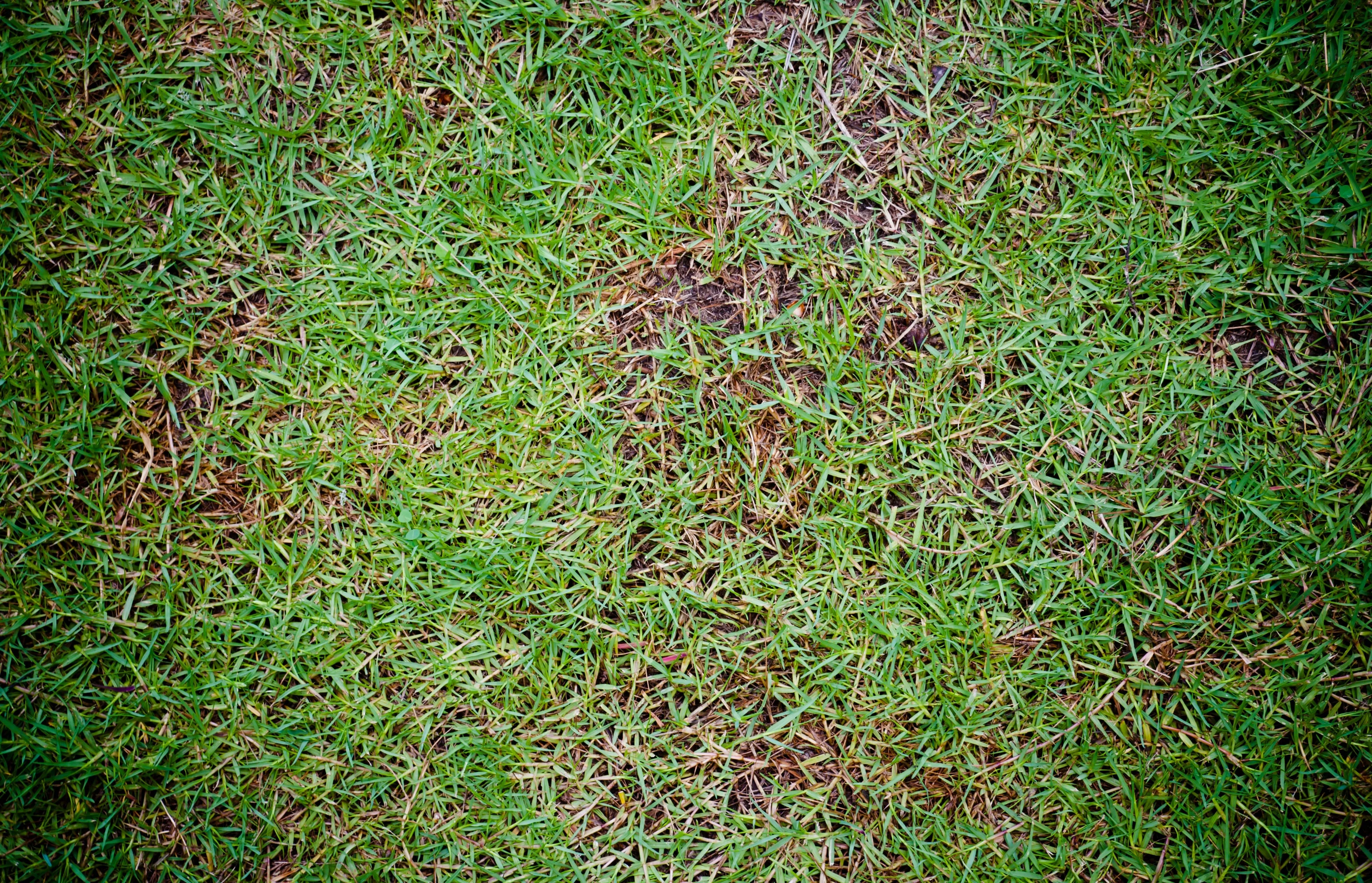
If you’ve walked out to your yard on a sticky July morning in Loudoun County and noticed irregular brown or tan circles spreading across your tall fescue, you’re not alone — and you’re probably not looking at drought stress. You’re likely looking at brown patch, one of the most common fungal diseases affecting lawns across Ashburn, Leesburg, Sterling, and the rest of Northern Virginia every summer.
At Pro-Mow, we’ve spent more than 30 years caring for lawns in this exact climate, and summer disease calls follow a predictable pattern year after year. Understanding what’s happening beneath the surface — and why our region’s specific combination of heat, humidity, and clay soil creates the perfect storm for turf disease — is the first step toward protecting your investment in a healthy lawn.
Northern Virginia sits in a transition zone, which means most local lawns are planted with cool-season grasses like tall fescue and Kentucky bluegrass. These grass types thrive in the mild temperatures of spring and fall, but they’re put under real physiological stress once summer temperatures climb into the 85–95°F range with the humidity levels our region is known for.
Add in the fact that most Loudoun County soil is naturally clay-based and slightly acidic, and you have a lawn that’s already working harder than it should to stay healthy before disease pathogens ever enter the picture. Clay soil drains slowly, holds moisture at the surface longer than sandy soil would, and creates exactly the damp, warm microclimate that fungal pathogens need to take hold at the grass blade level.
In short: it’s not bad luck or poor lawn care when disease shows up in summer. It’s a predictable outcome of our regional climate and soil type combined with a few common maintenance habits.
Brown patch is a fungal disease caused by the pathogen Rhizoctonia solani. It’s the single most common summer lawn disease we diagnose on properties throughout Northern Virginia, and it almost exclusively affects cool-season grasses like tall fescue during extended periods of heat and humidity.
Brown patch has a few telltale characteristics that separate it from ordinary heat dormancy or simple drought stress:
If you’re seeing large sections of your lawn turn uniformly brown across the entire yard rather than in distinct circular patches, that’s more likely heat dormancy — a normal, temporary survival response cool-season grass uses to conserve energy during extreme heat. Brown patch, by contrast, tends to show up in defined rings or blotches rather than blanketing the whole lawn evenly.
Fungal pathogens like Rhizoctonia are already present in most soil — they’re a normal part of the ecosystem. What turns a dormant fungus into an active outbreak is a specific set of environmental triggers, most of which show up like clockwork in a Northern Virginia summer:
This is exactly why our own fertilization programs treat summer differently than spring or fall. Rather than applying heavy nitrogen fertilizer during peak heat, our summer service is built primarily around weed control and a full lawn inspection, with fertilization timed for early fall when cool-season grass is actively recovering and can use the nutrients to rebuild rather than to push vulnerable new growth.
While brown patch is the most frequent diagnosis we see, it isn’t the only fungal issue that shows up in our climate:
Because several of these diseases look similar to the untrained eye — and can also resemble grub damage or simple heat stress — an accurate diagnosis matters. Treating the wrong problem, or treating a disease with a product meant for insects, wastes time while the lawn continues to decline.
The good news is that most summer fungal disease in Northern Virginia is manageable with the right cultural practices:
Water early, not late. Watering in the early morning gives grass blades time to dry out during the day. Watering in the evening leaves lawns wet all night, which is exactly the environment fungal disease needs.
Water deeply, but less often. Frequent shallow watering keeps the surface damp without encouraging deep root growth. A properly programmed irrigation system makes a significant difference here, which is one of the reasons our sister company, Superior Sprinkler Systems, focuses specifically on irrigation design and scheduling for Northern Virginia lawns.
Mow at the correct height and avoid mowing wet grass. Cutting cool-season grass too short in summer stresses the plant and increases disease vulnerability. Mowing while grass is wet can also spread fungal spores across the yard on mower blades and tires.
Improve air circulation and sunlight. Trimming back overgrown shrubs and hedges near the lawn’s edge helps grass dry out faster after rain or dew, reducing the window of opportunity for fungus to spread.
Avoid heavy nitrogen applications during peak summer heat. Timing fertilization around the plant’s natural growth cycle, rather than applying it uniformly year-round, keeps grass strong without pushing tender, disease-prone growth during the most vulnerable months.
Address soil compaction. Lawns that are core aerated in early fall see improved airflow, drainage, and root development heading into the following summer, which reduces disease pressure the following year.
A few isolated brown patches after a rainy week often resolve on their own once conditions dry out. But if patches are spreading, reappearing in the same areas year after year, or covering a significant portion of your lawn, it’s worth having a professional take a look before the damage becomes permanent or spreads to the entire yard.
Pro-Mow has been diagnosing and treating lawn disease throughout Loudoun County for more than three decades. Because we’re on properties across this area every week throughout the growing season, our crews recognize the difference between brown patch, drought stress, grub damage, and other summer lawn issues quickly — and we build our fertilization and lawn care programs around the specific triggers that cause disease in our regional climate, not a generic national schedule.
If your lawn is showing signs of summer disease, or you’d simply like a professional evaluation before problems take hold, contact Pro-Mow for a free quote. You can also learn more about how our lawn fertilization programs and aeration and overseeding services work together to build a lawn that’s more resistant to disease year-round.