So you think you have a solid idea on how to care for your lawn and you are doing everything you’ve always known, the basics to lawn care. You mow, water, and fertilize—but is that really all it takes for your lawn to thrive year-round? All the effort is made, but you are seeing none of the reward. If your grass looks dull, thin, or patchy, the problem might not be your routine—it could actually be your soil. Over time, soil naturally becomes compacted, preventing air, water, and nutrients from reaching your grass’s roots. The solution could be lawn aeration.
But how do you know for sure if your yard actually needs aeration? Homeowners often ask us at ProMow, ‘Does my lawn really need aeration, or is it fine the way it is?’ The answer isn’t always obvious—but spotting the signs early can save you headaches, money, and ensure your lawn looks its best all year long, year after year.
Let’s walk through how to tell if your lawn needs aeration, why it matters, and what to do if your yard is showing the warning signs.
Before we get into how to spot the signs, it’s important to understand what aeration is and why it matters.
Aeration is the process of creating small holes in your lawn to break up compacted soil and allow water, air, and nutrients to reach the root system. When it comes to aeration, there are two main types every homeowner should know:
At ProMow, we rely on Core Aeration, because it delivers deeper, longer-lasting benefits to your lawn.
Soil compaction happens when soil particles are pressed together, reducing pore space. This usually occurs from:
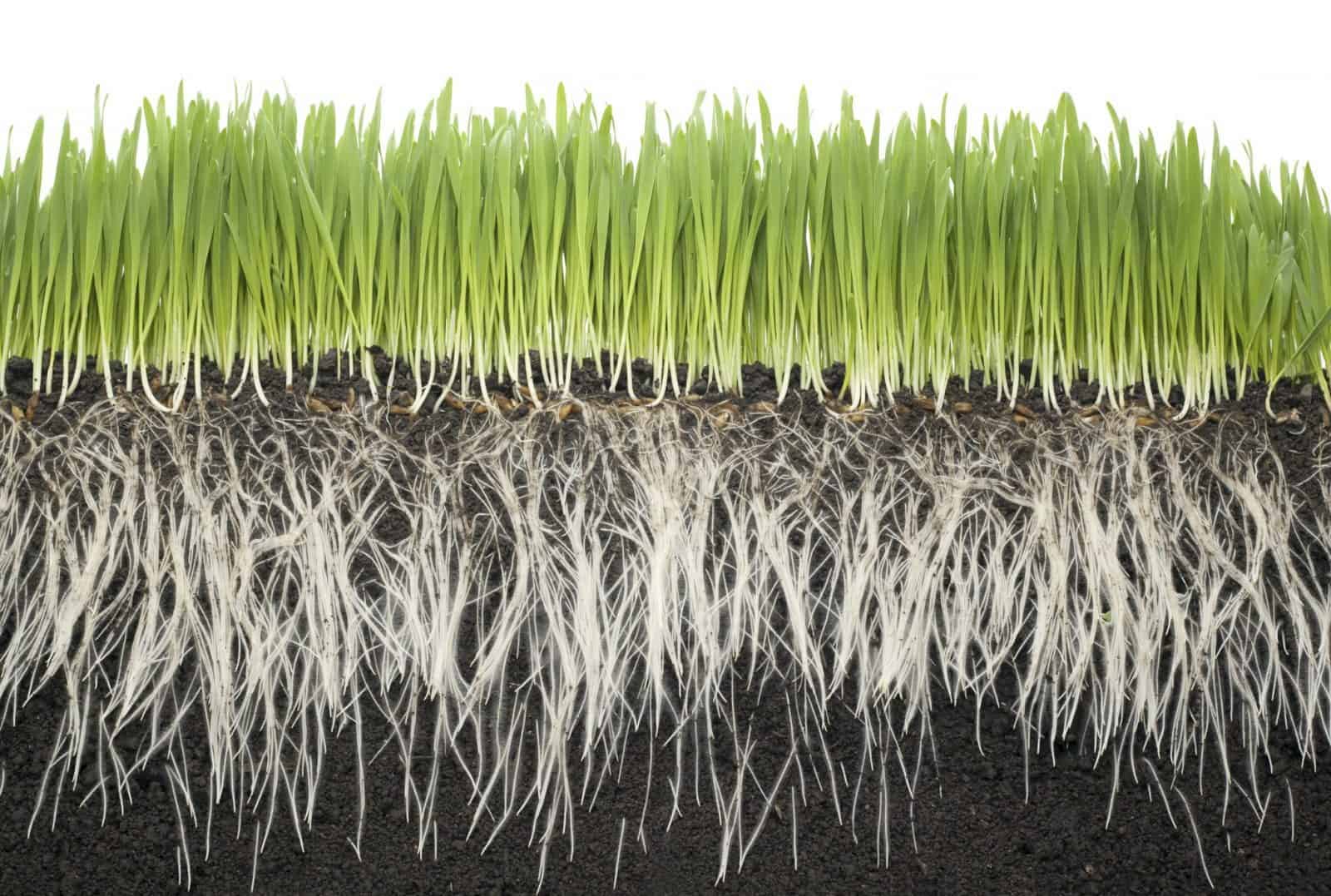
Basically, compacted soil limits oxygen to the roots, blocks water absorption, and makes it difficult for grass to expand. The result? A lawn that struggles to stay green no matter how much you water or fertilize, a lawn that is in need of serious help. That’s why recognizing the early signs of compaction is key.
1. Water Pools on the Surface: If you notice puddles after watering or rainfall, it may mean the soil is too compacted for water to actually soak into the soil. Instead of the water nourishing the roots as intended, water runs off or sits on the surface, creating muddy spots or bare patches.
2. Grass Looks Thin or Weak: A healthy lawn should look lush and full. If your grass is thinning despite your best efforts in caring for it, compacted soil may be the culprit. Without enough nutrients, the roots shrink, and the lawn becomes more vulnerable to stress.
3. Bare or Patchy Areas: Bald spots can indicate poor root development. Aeration opens pathways for new growth, making it an essential step before overseeding.
4. Heavy Thatch Layer: Thatch is the layer of dead roots and stems between the soil and grass blades. A thin layer is normal, but if thatch is more than ½ inch thick, it blocks water and nutrients from reaching the soil. Aeration helps break down thatch naturally.
5. Hard Soil: One simple way to check if your lawn has hard soil is to try pushing a screwdriver or garden trowel into it. Healthy soil should be loose enough for tools to slide in with minimal effort. If the tool meets resistance, your soil may be compacted.
6. Yellowing or Dull Grass: When grass lacks essential nutrients, it can lose its rich green color and healthy, lush appearance. Aeration restores access to nutrients and encourages greener, healthier blades.
7. High Foot Traffic Areas:If your lawn doubles as a playground, pet run, or gathering spot, there’s a good chance the soil is compacted. Areas where people frequently walk or play almost always benefit from annual aeration.
8. Grass Struggles Despite Fertilization: If you’ve fertilized your lawn but don’t see results, compacted soil may be blocking nutrients from reaching the roots. Aeration opens pathways for fertilizers to do their job effectively.
Do you want an even easier way to test if your soil needs aeration? This DIY check can confirm whether aeration should be on your to-do list.
The frequency of lawn aeration isn’t one-size-fits-all—different soil types, usage levels, and lawn ages all play a role. Follow these general guidelines to help you determine how often your lawn may need aeration:
At ProMow, we will assess your specific lawn conditions—including soil type, traffic level, and grass variety—to recommend a customized aeration schedule that keeps your lawn healthy year after year.
If you’re considering overseeding to fill in bare patches or thicken your lawn, aeration is essential. The small holes left behind by aeration create the perfect seed-to-soil contact, boosting germination rates and leading to fuller, healthier turf. Without aeration, seeds often sit on the surface and fail to establish.
Just as important as knowing the signs your lawn needs aeration is knowing when to avoid it. Aerating at the wrong time can actually damage your lawn instead of helping it. Timing aeration during the active growing season ensures the best recovery.
Here are the times you do not want to aerate:
While some homeowners try renting aeration equipment, the machines can be heavy, awkward, and tricky to handle—and it’s very challenging to get even, consistent coverage.
At ProMow, our professional aeration services go well beyond what DIY can achieve. At ProMow you can count on:
If your lawn shows signs of needing aeration, taking action comes with major benefits, like:
Think of aeration as a reset button for your soil. It gives your grass a healthier foundation to thrive year-round.
The symptoms are easy to spot: water pooling, thatch buildup, weak grass, and poor fertilizer absorption—all pointing to the same solution. Your lawn needs aeration.
At ProMow, we’ve helped countless homeowners restore their lawn by giving it the room it needs to breathe. Our team understands the soil, grass varieties, and climate in our area, and we know how to bring life back to tired lawns. Don’t wait for minor issues to turn into bigger problems—schedule your aeration service with ProMow today and give your lawn the fresh start it deserves!